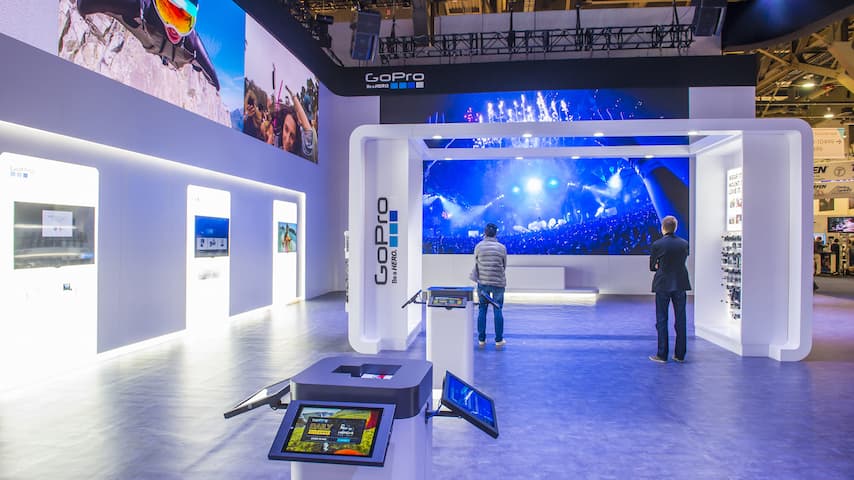
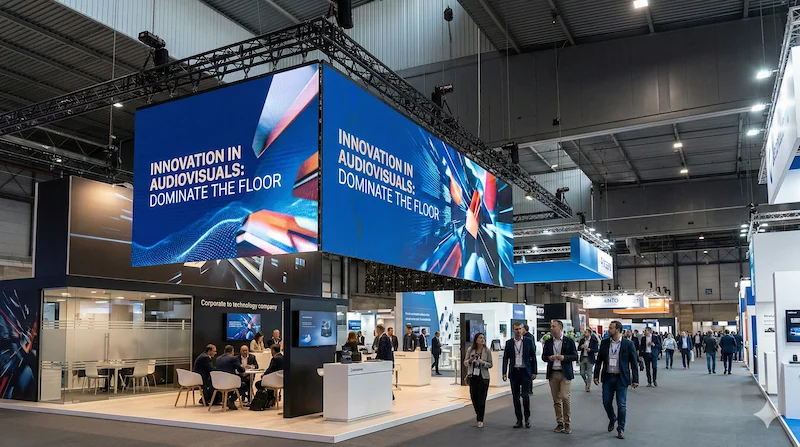
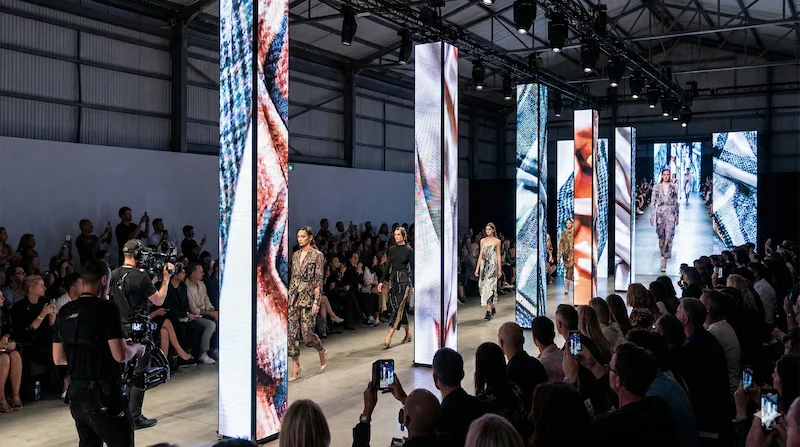
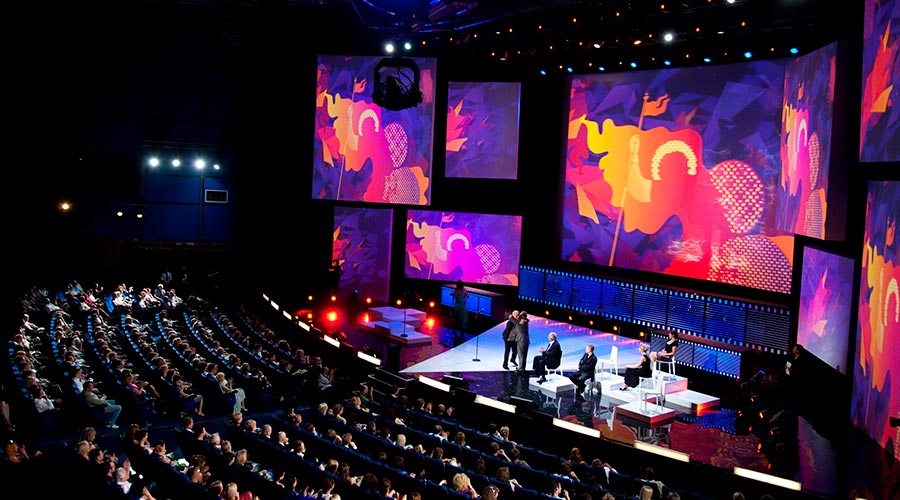
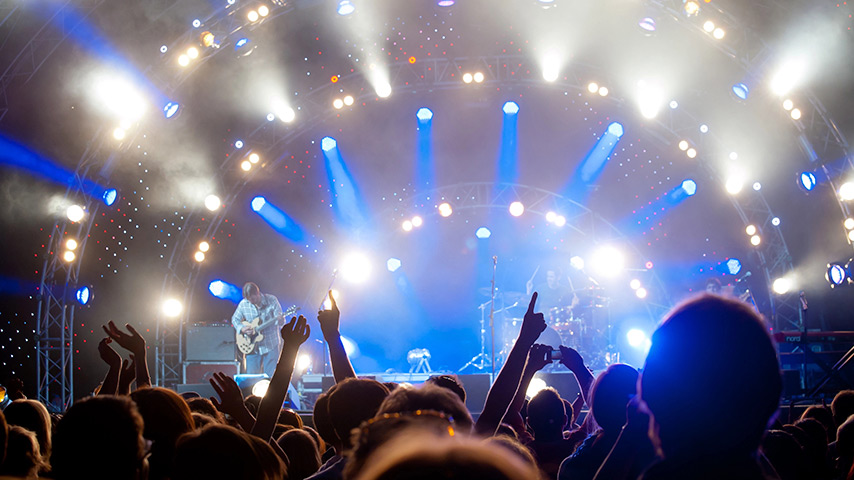
In the era of technology and digitalization, events have been transformed into much more dynamic and attractive experiences for the public. One of the key tools to achieve this are interactive LED screens.
From Edgar Vasquez Audiovisual Services in this article I will show you how you can make the most of interactivity in your events with LED screens, creating memorable experiences and increasing the real participation of your attendees.
What is interactivity?
Interactivity refers to the ability of event attendees to actively participate rather than simply being passive spectators. It involves the action of engaging the audience and allowing them to interact with the content and other attendees. At events, this is effectively achieved through interactive LED displays.
Importance of interactivity in events
Interactive LED displays are a versatile tool for achieving interaction at events, which translates into a number of key benefits for both organizers and attendees:
- Active Participation: Attendees are actively involved in the event.
- Increased Information Retention: Increases the ability to remember important information.
- Valuable Data Generation: Collect useful data about the audience.
- Increased Engagement in Social Networks: Encourages participation in online platforms.
- Memorable Experiences: Create unforgettable moments for attendees.
- Better Feedback and Understanding: Enables real-time evaluation of audience feedback.
- Entertainment Diversification: Offer a variety of activities to keep the audience engaged.
Benefit of promoting interactivity at events with LED displays
Interactivity is not just a trend, it is a necessity. Successful events are those that achieve the active participation of attendees. This not only increases their satisfaction, but also strengthens the connection with the brand or message being conveyed. In addition, the interaction generates valuable data that can be used for future events and marketing strategies for large festivals, concerts, fairs , congresses and corporate events.
Examples of types of interactivity with LED displays
Real-Time Polls and Voting
LED displays enable real-time polling and voting, which engages the audience and collects valuable data.
At a digital marketing event, LED screens were used to conduct real-time polling and voting on the most effective marketing strategies. Attendees actively participated, sharing their opinions and voting for the tactics they considered most successful, allowing the organizers to gain valuable information to fine-tune their strategies.
Interactive Games and Challenges
Create interactive games and challenges that keep attendees entertained and motivated to participate.
During a video game convention, interactive games were implemented on LED screens that challenged attendees to compete in mini-tournaments and solve puzzles related to the games exhibited at the event. This dynamic kept the audience immersed and excited throughout the convention.
Share Content and Opinions
LED screens can display content generated by attendees in real time, encouraging active participation in social networks and live discussion.
In fact, when you set up a well-designed dynamic (with hashtag, moderation and a clear objective), rent a giant interactive led video wall is a powerful tool to turn the audience into part of the event, not just a spectator.
For example, at one film festival, LED screens were used to display real-time audience comments and reactions to the films shown. Attendees could tweet their opinions with a specific hashtag, and their messages were displayed on the screens, generating a live conversation around the films and connecting movie lovers.
Participation activities
Organize activities where attendees can use the LED screens to participate, such as contests or quizzes.
At a business conference, a quiz contest was organized using the LED screens. Attendees could submit their answers via their mobile devices, and the correct answers were displayed in real time on the screens, creating a friendly competition among participants and encouraging active participation.
Live data visualization
Display relevant data and statistics in real time to keep the audience informed and engaged. A very common case is often at a scientific conference, where LED displays were used to show research data in real time.
Researchers presented their findings and updated graphs and statistics on the screens as they progressed through their presentations, allowing the audience to interact with the data and better understand the ongoing research.
How to choose the right LED display for your event
Choosing the right LED display is essential. Consider the following steps:
Choose the type of LED display according to your needs
Number of viewers: If you are expecting a large crowd, you will need a larger size and resolution LED screen to ensure that everyone has excellent visibility. For example, one of the most sought after sizes is usually a 4m x 3m LED display.
Indoor or outdoor display: The location of the event is crucial. Outdoor LED displays are designed to withstand weather conditions, while indoor displays are ideal for enclosed spaces. Make sure you choose the right option.
LED display model: Consider options such as curved, flexible and transparent displays. Curved screens offer visual immersion, flexible screens allow for creative LED display designs, and transparent screens blend content into the environment, providing a unique experience for your attendees.
Technical production and support: Make sure you have the necessary technical support for the installation and operation of the LED display. Good technical support can make a difference in the quality of your event.
Design your interactive graphics for LED screens
Understand your audience and objectives: Identify who your attendees are and define your interactivity goals. Consider what type of content they are interested in and what actions you want them to take. Guide attendees on how to interact with the graphics effectively.
Use compatible software: Choose graphic design software that allows interactive content and is suitable for LED displays. Useful examples include Adobe Creative Suite y Canva.
Design attractive graphics: Create graphics that are visually pleasing and consistent with the event’s identity. Use eye-catching but legible colors, typographies and visual elements.
Ensure readability and accessibility: Ensure that text and visual elements are clearly visible from a distance. Avoid information overload in the design. Consider accessibility for people with visual or motor disabilities.
Create engaging content for LED displays
Program the automatic playback of your LED screens
- Prepare your content: Make sure you have all the content you want to display on the LED screens ready and in the right format (usually images, videos, presentations, etc.).
- Create a playlist: This list should include all the content items you want to display during the event. Arrange the content in the order in which you want it to be played.
- Configure schedules and durations: Define the times at which you want each content item to play. You can specify the start and end date and time for each item in the playlist.
- Test the programming: Before the event, run tests to make sure the programming is working properly. Verify that the content plays as planned and that the transitions and effects are appropriate.
Always keep a second plan or audiovisual backup
- Multimedia reinforcement: Sometimes, there are spaces where the installation of a LED screen can be complicated and costly. Remember that you can always 4K TV rental.
- Consider contingencies: Be prepared for possible technical problems or last-minute changes. Have a backup plan in case scheduling problems arise.
- Monitor during the event: During the event, assign someone the responsibility of monitoring the playback on the LED displays to make sure everything is running smoothly and make adjustments if necessary.
- Update in real time (if necessary): If programming changes or content updates arise during the event, make sure you can make changes in real time with the technicians and audiovisual experts technicians and audiovisual experts..
Conclusion
Interactivity at events through interactive LED screens not only increases audience participation, but also creates memorable experiences. By following these tips and making the most of LED screens, you can generate unforgettable events and strengthen the connection with your audience. And if you want to land these ideas to a real execution (screen, content, dynamics and technical support), at Edgar Vasquez Audiovisual Services we can help you to strategically plan it so that it really works during the event.
-
Generating Memorable Experiences: Interactive LED displays enable the creation of unforgettable moments and stronger connections with your audience.
-
Active Participation: Interactivity engages attendees and generates valuable data.
-
Strategic Choice: Select the right LED display, design engaging content and schedule its playback for maximum impact.
In summary, interactivity with LED screens at events is a powerful trend that can take your experiences to a whole new level. Take advantage of this technology to create memorable and highly participatory events!