Have you ever wondered how a simple box in your living room can show you such vivid and captivating images? The television screen is not just a component of your home: it’s a window to the world. Through it, we can peek into cultures, news and entertainment without leaving the couch. However, we often take this device for granted without fully understanding how it works, its technologies and the real differences between models.
In this article, and from the experience of Edgar Vásquez Audiovisual Services after years working with screens in professional setups, we will answer the most frequently asked questions about the television screen. From its basic definition to market preferences in sizes and brands, with a practical and easy to apply approach.
What is a television screen? What types of TV screens are there? What is the best brand of television screen? Here you will find everything you need to know to better understand and choose your next TV. Let’s get started!
1. What is a television screen?
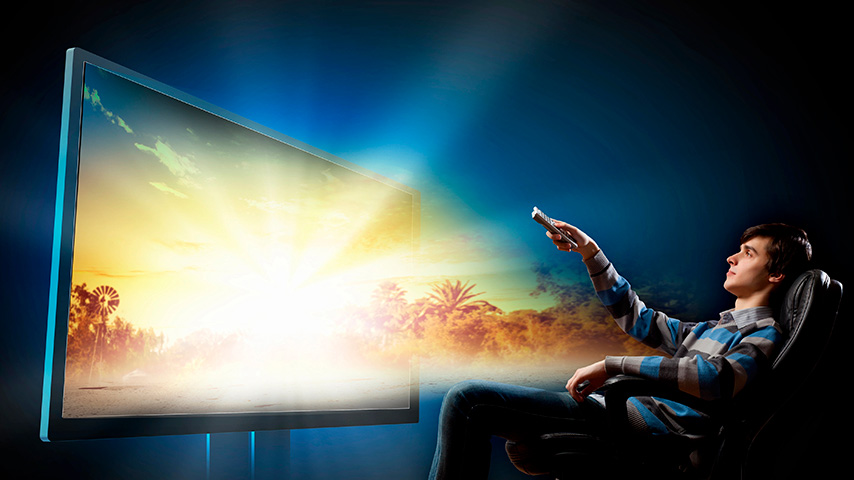
A television screen is the main component of the television that displays images and videos. This is made up of millions of pixels that are illuminated in different colors and brightnesses to create the complete image we see on TV.
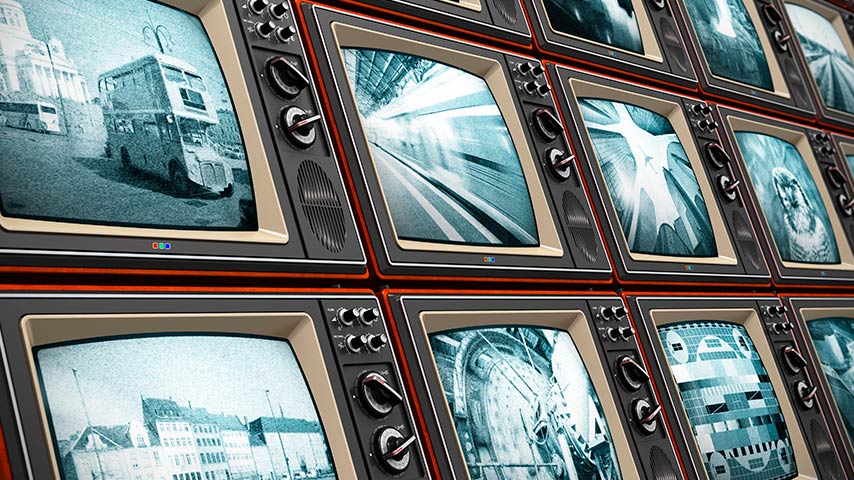
The technology behind television screens has evolved from cathode ray tubes to modern LED and OLED televisions. Each type of display uses a different technology to enhance aspects such as contrast, color and viewing angle.
For example, OLED displays offer deeper blacks and more vivid colors, while LEDs are known for their durability and energy efficiency. The choice between one or the other depends on the user’s preferences and intended use.
2. Who invented television and what year was it invented?
Television, as we know it today, was the result of the work of several inventors, but the most recognized is John Logie Baird. In 1926, Baird made the first public demonstration of television in London, showing moving pictures that were transmitted from one location to another.
Although Baird is often cited as the father of television the father of television others such as Philo Farnsworth and Vladimir Zworykin also made significant contributions in the years that followed, developing technologies that would form the basis of modern television systems.
3. Which TV brand is the most sold?
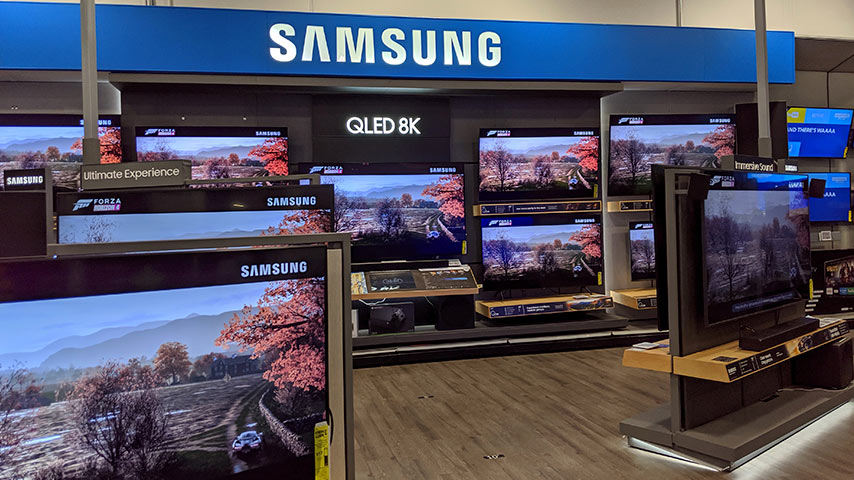
According to a press release from Samsung market research firm Omdia reported that Samsung is the best-selling TV brand globally in 2023, with a market share of 30.1%, consolidating its position as the industry leader since 2006.
Samsung has led global TV sales for several years, thanks to its continuous innovation in display technologies such as QLED and its ability to offer a diverse range of models to suit different budgets and consumer needs.
In addition to Samsungother brands such as LG y Sony are also very popular, each with their own technological innovations such as LG’s OLED displays and Sony’s advanced image processors, which appeal to a broad base of consumers interested in high image quality and durability.
4. What is the best brand of television sets?
Determining the best TV brand is subjective and depends on the specific needs of each user. Brands such as Samsung, LG and Sony are highly valued for offering advanced technologies such as OLED and QLED, which guarantee excellent picture quality, good reliability and innovative features.
These companies lead the market not only for the quality of their products, but also for their constant innovation in display technology. Each brand has its strengths: Samsung with its QLED panels, Sony with its image processing and LG with its acclaimed OLED TVs, especially recognized for their deep blacks and vibrant colors.
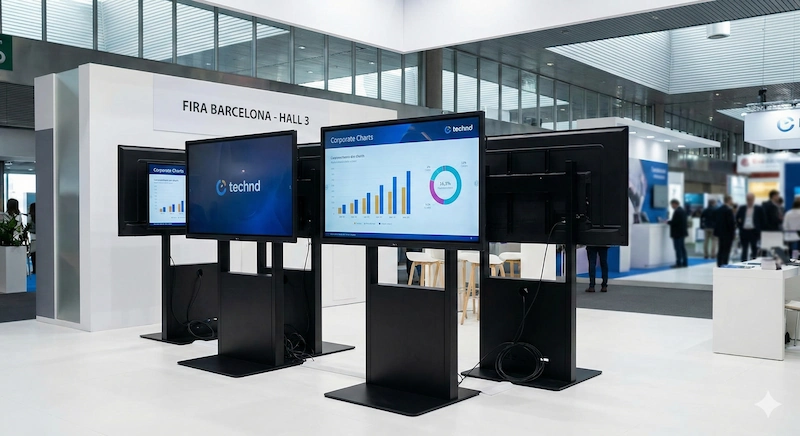
And this is not a minor detail when we talk about professional solutions: if a company offers the service of tv screen hire for events it will normally work with top brand ranges because that translates into better brightness, better sharpness, greater stability and a safer experience during set-up and live events.
For that reason, the most demanding companies in audiovisual solutions for events we usually go for top-level brands: offering a quality product and service should always be the first value that any customer receives.
5. What size TV is the most sold?
In today’s market, mid-size TVs are the most popular among consumers. Sizes ranging from 55 to 65 inches have become best sellers, as they combine an immersive viewing experience with a size that fits well in most modern residential spaces.
Some of the most sought-after TV sizes are 55-inch and 65-inch TV screens. These sizes are ideal for those looking to balance image quality and available space in their living rooms or bedrooms, making them perfect for a variety of uses, from gaming to home theater.
6. What is the best type of television screen?
If cost is not an issue and picture quality is your main concern, OLED TV screens are generally considered the best in terms of visual quality. However, for very bright environments or if you are looking for a screen with less risk of burn-in, QLED TVs are an excellent choice.
On the other hand, LED TV screens are suitable for tighter budgets or less demanding use, while MicroLEDs could represent the future of display technology.
7. How long is the useful life of a television screen?
The lifetime of a television screen can vary considerably depending on the technology used and its care. Modern televisions have a life expectancy of 7 to 10 years depending on the model, daily use and environmental conditions.
To prolong the life of your TV, clean the screen carefully. Turn off and disconnect the TV for safety. Use a dry microfiber cloth to remove dust without pressing hard. For stains, dampen another cloth with water or special solution, never directly on the screen. Avoid abrasive products such as alcohol and dry well to avoid leaving marks.
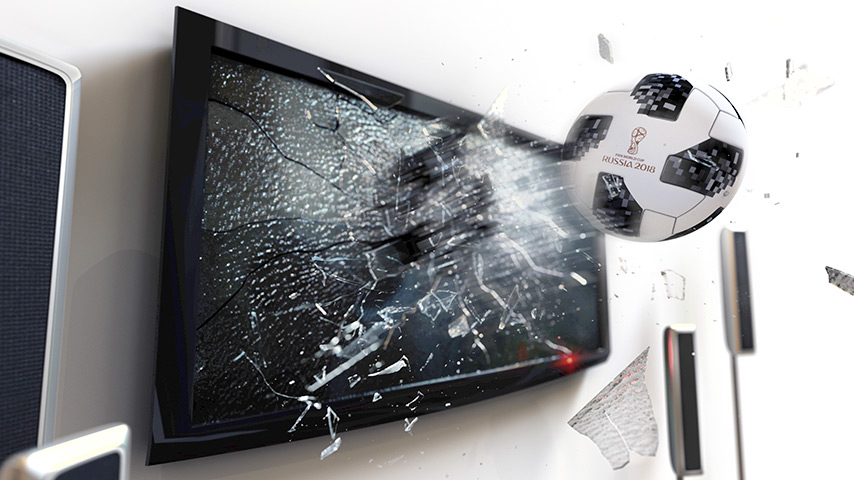
8. What to do if the TV screen breaks?
If your TV screen breaks, the first thing to do is to check your warranty coverage. Many manufacturers offer support for damage other than misuse. Check with the manufacturer’s technical service to assess whether the repair is covered or how much it would cost if it is not.
In case the repair is too expensive or your model is old and the warranty does not cover the damage, it may be more economical to buy a new TV. Compare prices and features of current models before making a decision, as TV technology is constantly improving and prices may vary.
9. How to share screen from iphone to TV?
To share your iPhone screen with your TV, you can use AirPlay, which is a feature built into iOS devices. Make sure both your iPhone and Apple TV or TV set support AirPlay-enabled TV or Apple TV are connected to the same Wi-Fi network. Then, swipe down to open Control Center on your iPhone, tap“Mirror Screen” and select your compatible Apple TV or TV from the list.
If you don’t have an Apple TV, you can opt to use third-party apps available on the App Store that allow screen mirroring, such as. Roku o Chromecast apps depending on the streaming device you own. These apps usually require you to follow specific steps to connect your iPhone to the TV, so it is advisable to refer to the instructions of the chosen app.
10. How to connect the tv screen to the pc?
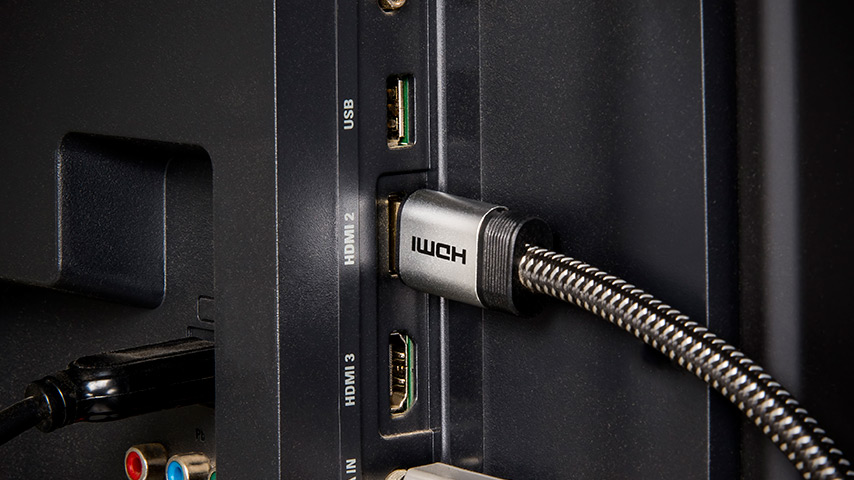
To connect your TV screen to your PC, it is common to use an HDMI cable. First, make sure that both your TV and computer have HDMI ports. Connect one end of the HDMI cable to the HDMI port on your computer and the other end to the HDMI port on your TV.
Once the devices are connected, turn on the TV and select the corresponding HDMI input with the remote control. On your PC, you can adjust the display settings by going to “Settings” > “System” > “Display”. Here you can set up the TV as a second screen, duplicate your main screen, or extend your desktop to the TV. Adjust the resolution and orientation as needed to optimize the display on your TV.
Conclusion
After this tour, it is clear that a “TV screen” is much more than a panel: it is precision technology (millions of pixels working at the same time) and, above all, a decision that depends on the real use you are going to give it.
If you prioritize contrast and deep blacks, OLED usually has the edge; if your space is very bright or you are looking for alternatives with less risk of retention, QLED may be a better fit; and if you want a balanced and efficient option, LED is still a very solid choice.
When choosing, stick with this idea: first define your context (viewing distance, lighting, type of content and budget) and then adjust size and technology. It’s no coincidence that 55″-65″ is the most popular range, but the important thing is that it fits your space.
And remember to take care of your equipment: with basic maintenance, many modern televisions can last between 7 and 10 years; in addition, if a problem arises such as a broken screen, it is advisable to review the warranty and assess whether it is worth repairing or renewing.
And if you are also thinking of using televisions in a professional environment (presentations, signage or events), at Edgar Vasquez Audiovisual Services we can guide you to choose sizes, brands and configuration according to the type of assembly and the result you want to achieve.